For more than 140 years, the Metzeschmelz site has been a part of Luxembourg’s industrial growth. Located between Esch-sur-Alzette and Schifflange, this former steel mill is now the starting point for a new urban project: a mixed-use, sustainable, and connected neighborhood that aims to preserve the traces of its past while meeting the needs of the city of tomorrow.
A name directly linked to the history of Luxembourg
The name Metzeschmelz originates from the Metz family, one of the pioneering families in Luxembourg’s steel industry. In 1871, Norbert Metz partnered with Victor Tesch to open a new steel mill in Esch-Schifflange. The site was then called Metze Schmelz, meaning the “Metz foundry.”
This establishment marked an important milestone in the country’s economic history. The plant was built near the iron ore deposits in southern Luxembourg, in a region that would gradually become the industrial heart of the Grand Duchy. With the Metzeschmelz and other steelworks, the country’s economic center of gravity shifted southward, contributing to the development of Esch-sur-Alzette, Schifflange, and the entire mining basin.
The plant, which began operations in 1871, was one of the first large steel mills built in close proximity to Luxembourg’s mineral resources. This proximity facilitated the supply of ore and contributed to the growth of an industry that would permanently transform the country’s landscape, economy, and society.
A factory that has become a veritable small town
Over the decades, Metzeschmelz has evolved beyond a mere collection of blast furnaces and production halls. The site has expanded, modernized, and taken on the structure of a veritable small industrial town.
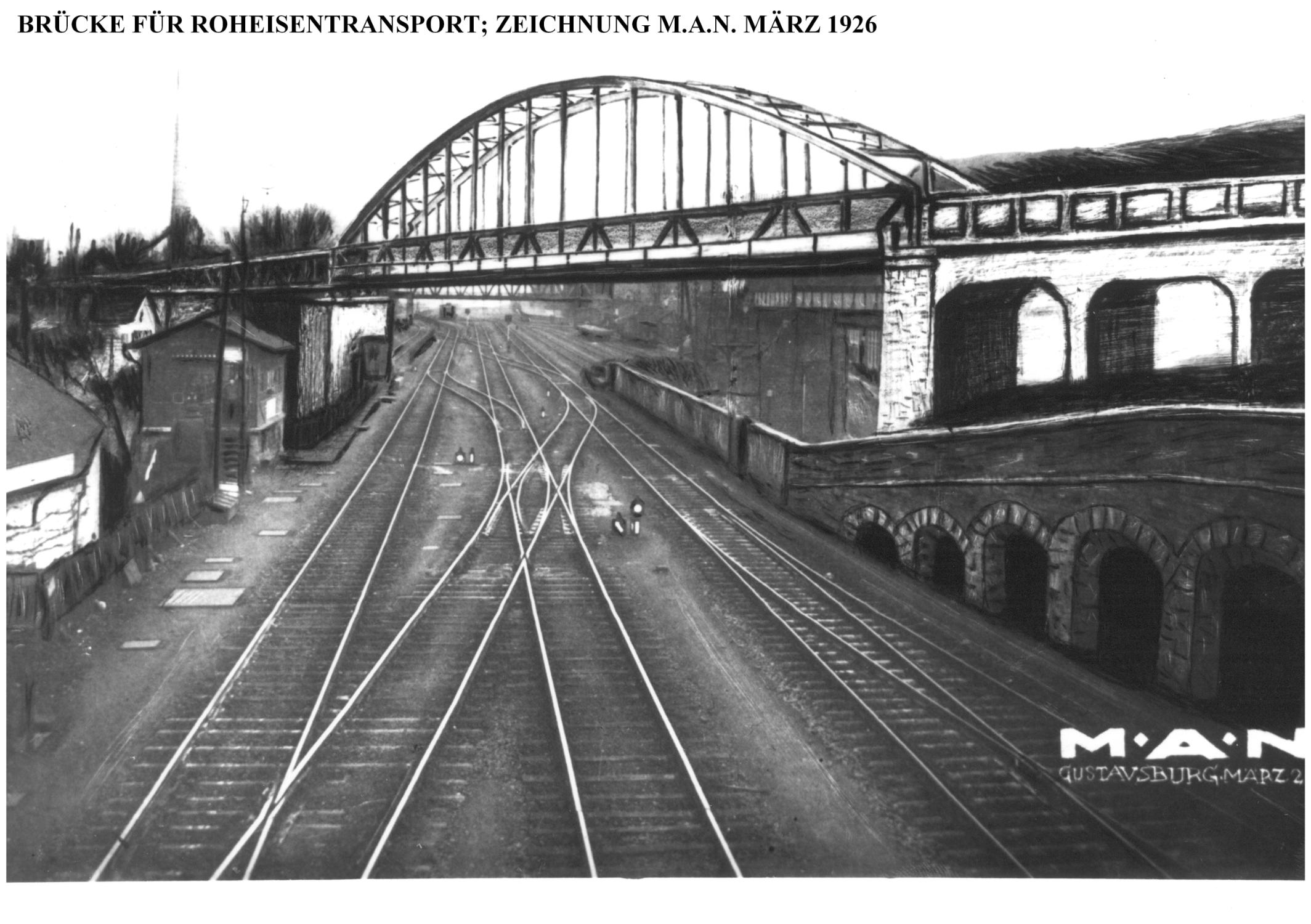
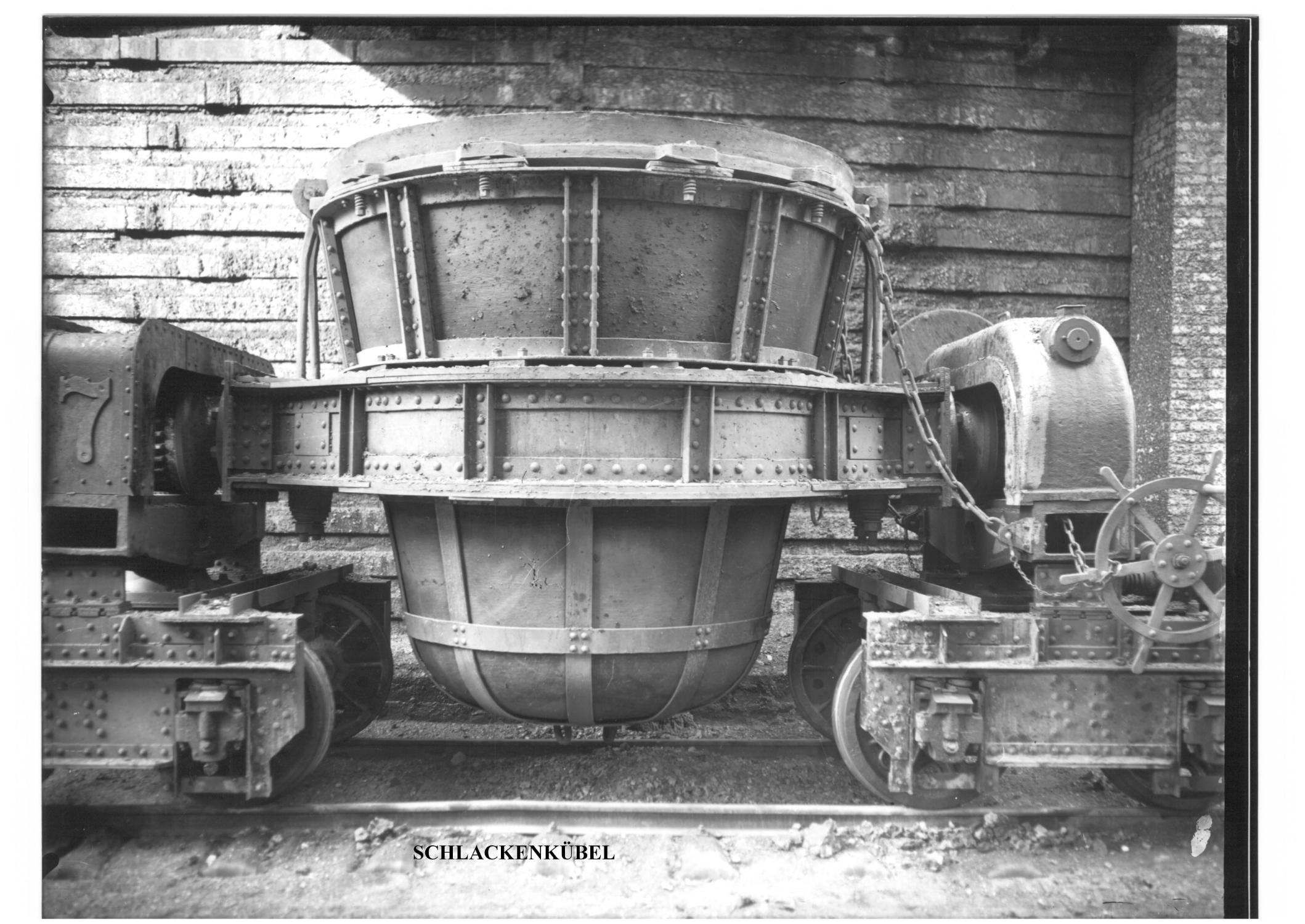
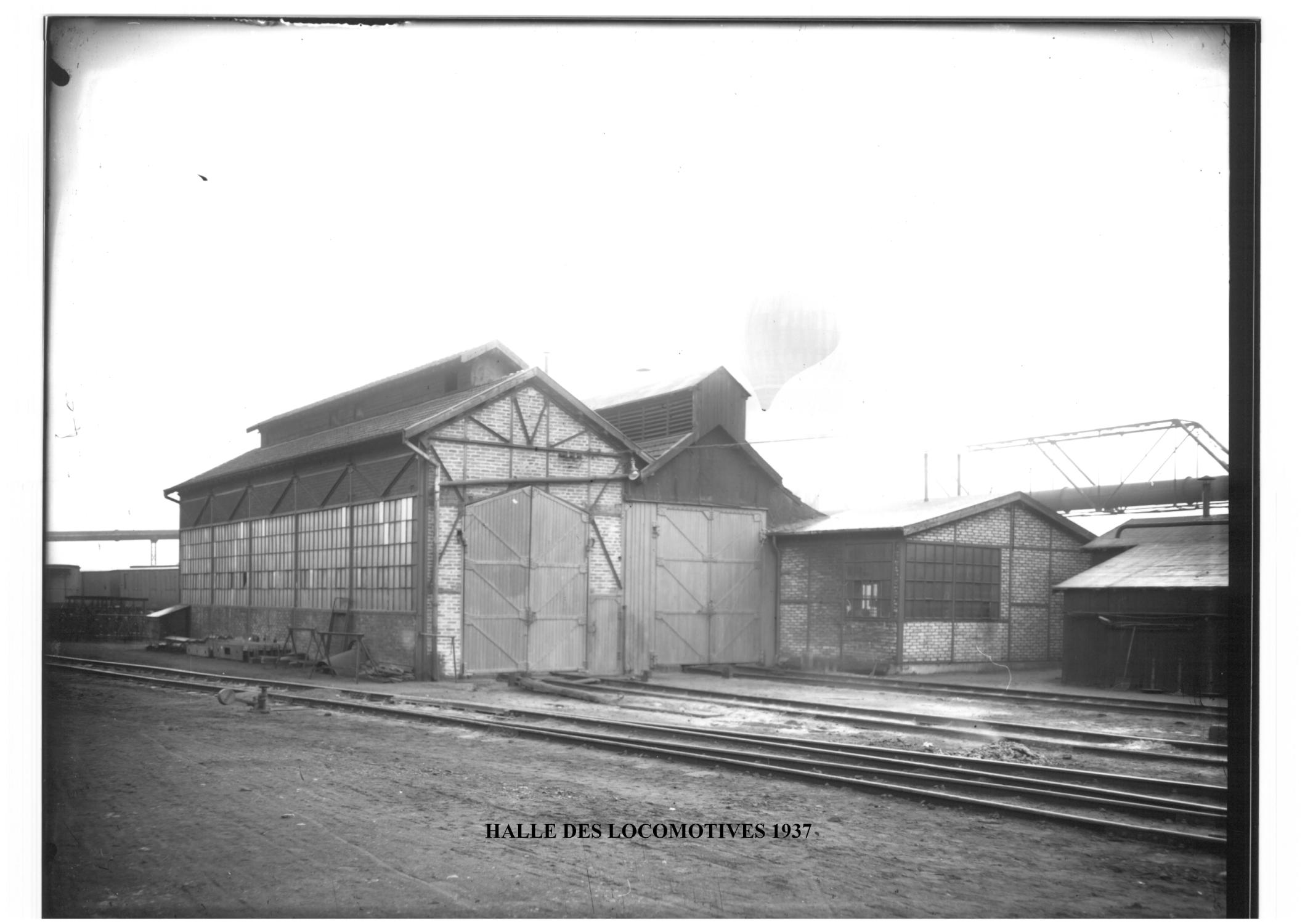
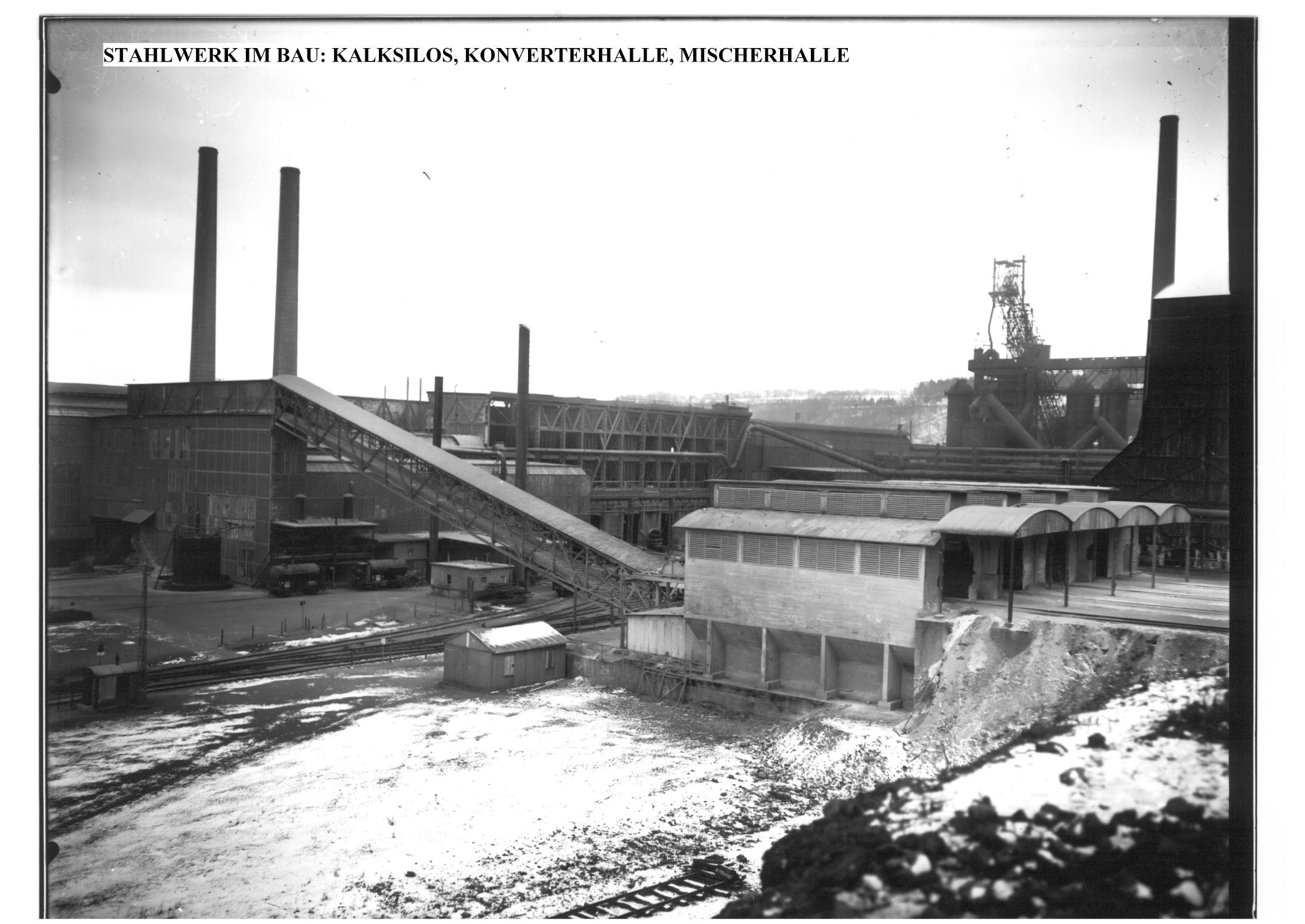
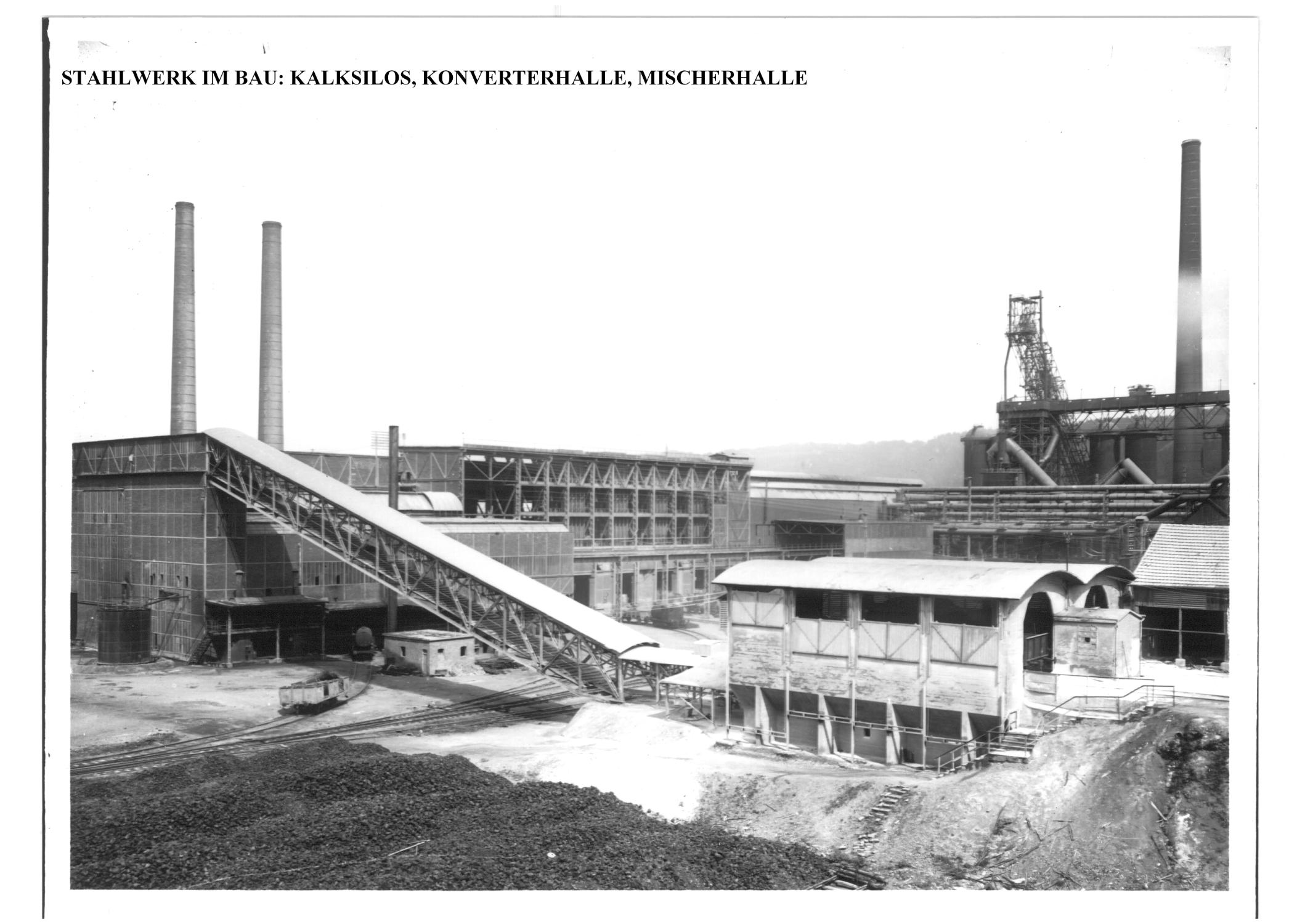
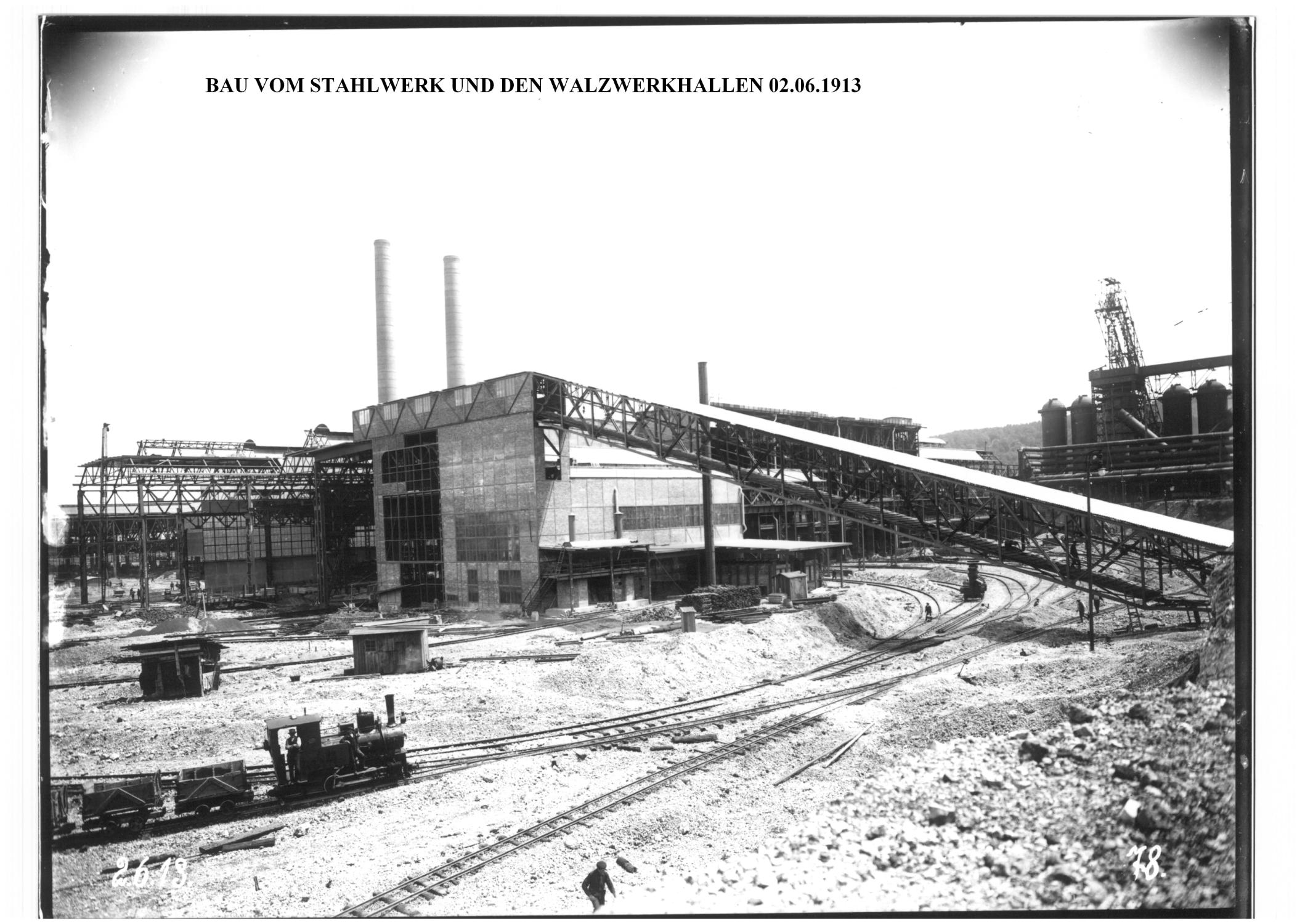
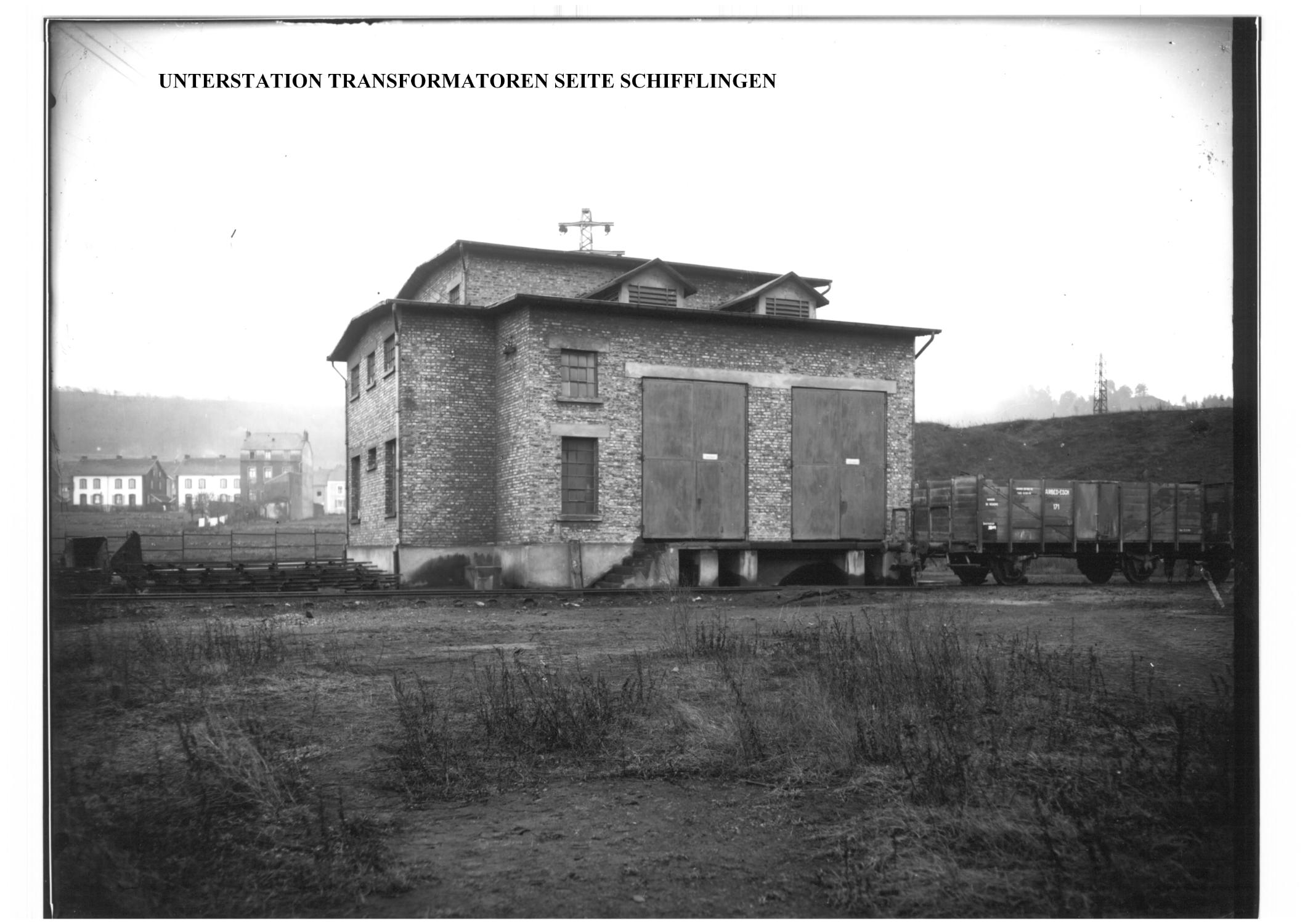
Railways connect the various sections of the plant. Administrative buildings, workshops, technical facilities, storage areas, and specialized equipment are arranged around the production units. Locomotives and railcars are constantly in motion, transporting ore, coal, semi-finished products, and the materials needed to operate the steel mill.
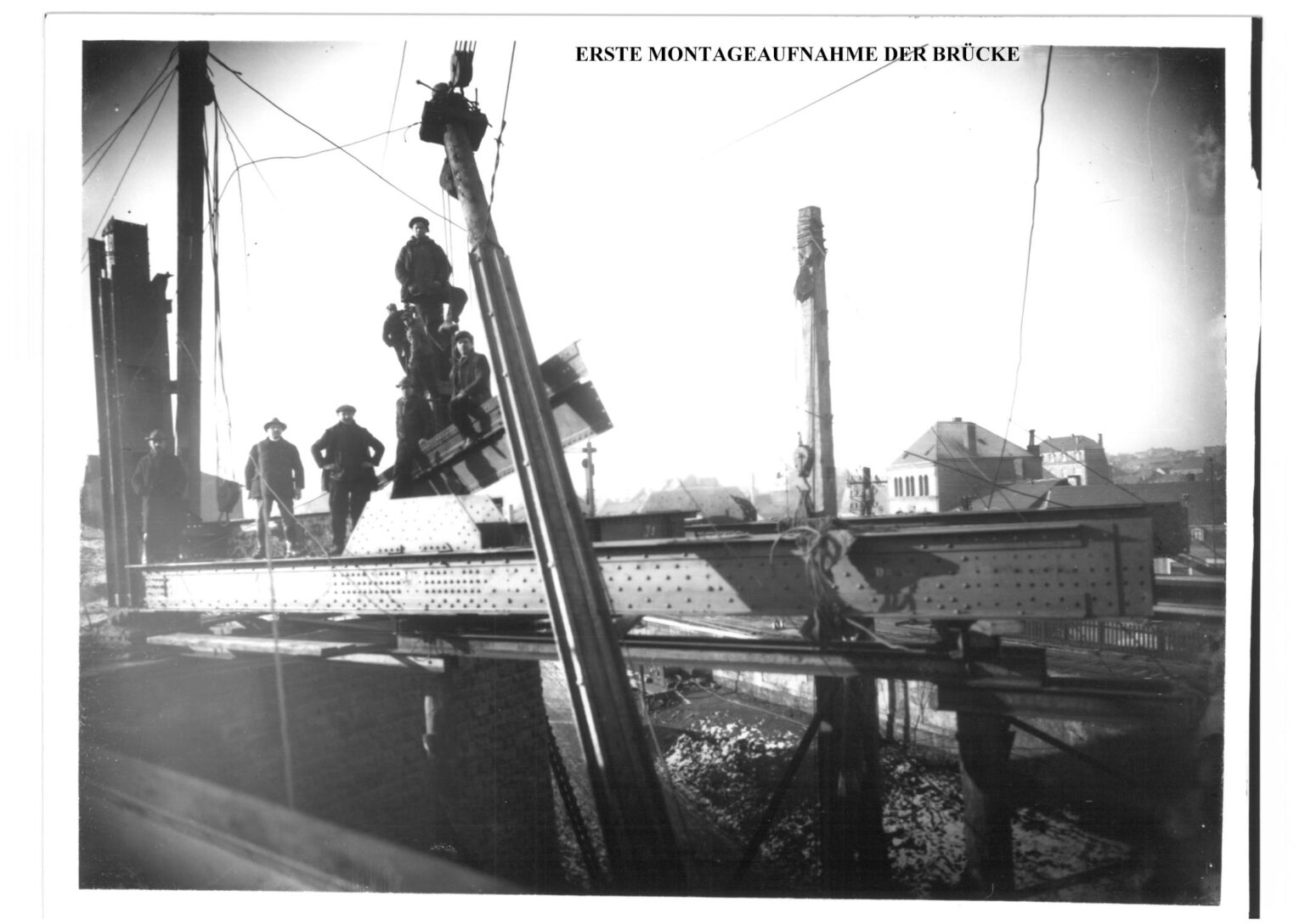
This layout reflects the operations of a large integrated steel plant. Each space serves a specific function, but all are connected by a complex network of rails, bridges, pipelines, and buildings. The industrial landscape thus becomes an urban landscape in its own right, characterized by imposing structures, specific work rhythms, and architecture directly dictated by production needs.
But Metzeschmelz is also a place where people live. For several generations, men and women have worked there, met there, and built their futures there. The factory contributes to the prosperity of neighboring towns and shapes a collective identity that extends far beyond its physical boundaries. It has become a landmark for the residents of Esch-sur-Alzette, Schifflange, and the entire region.
From Metze Schmelz to ARBED
The growth of the Luxembourg steel industry gradually led to the consolidation of companies and the modernization of facilities. In 1911, several Luxembourg steel companies merged to form ARBED. The former Metze Schmelz then became the ARBED plant in Esch-Schifflange, integrated into a larger industrial network.
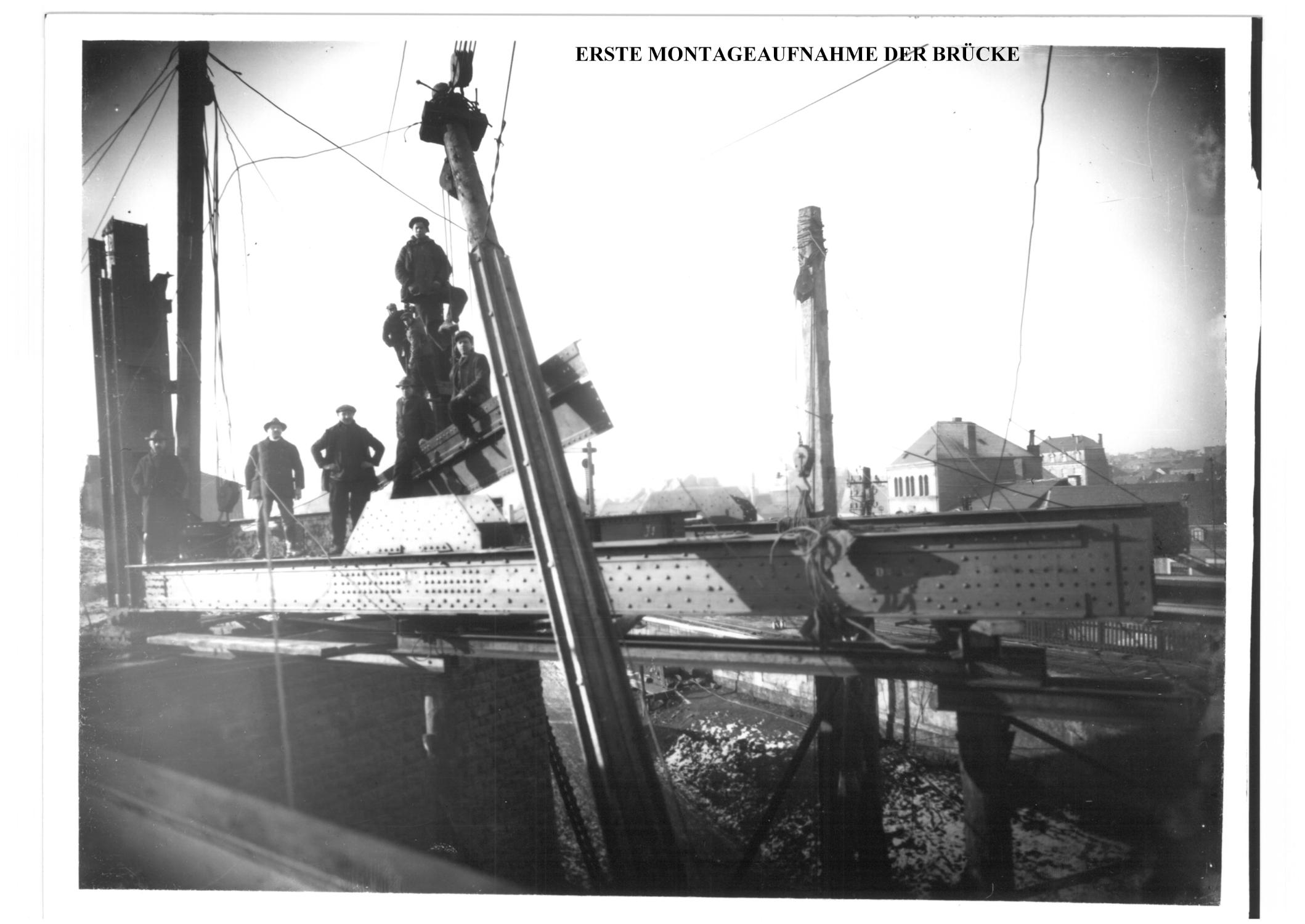
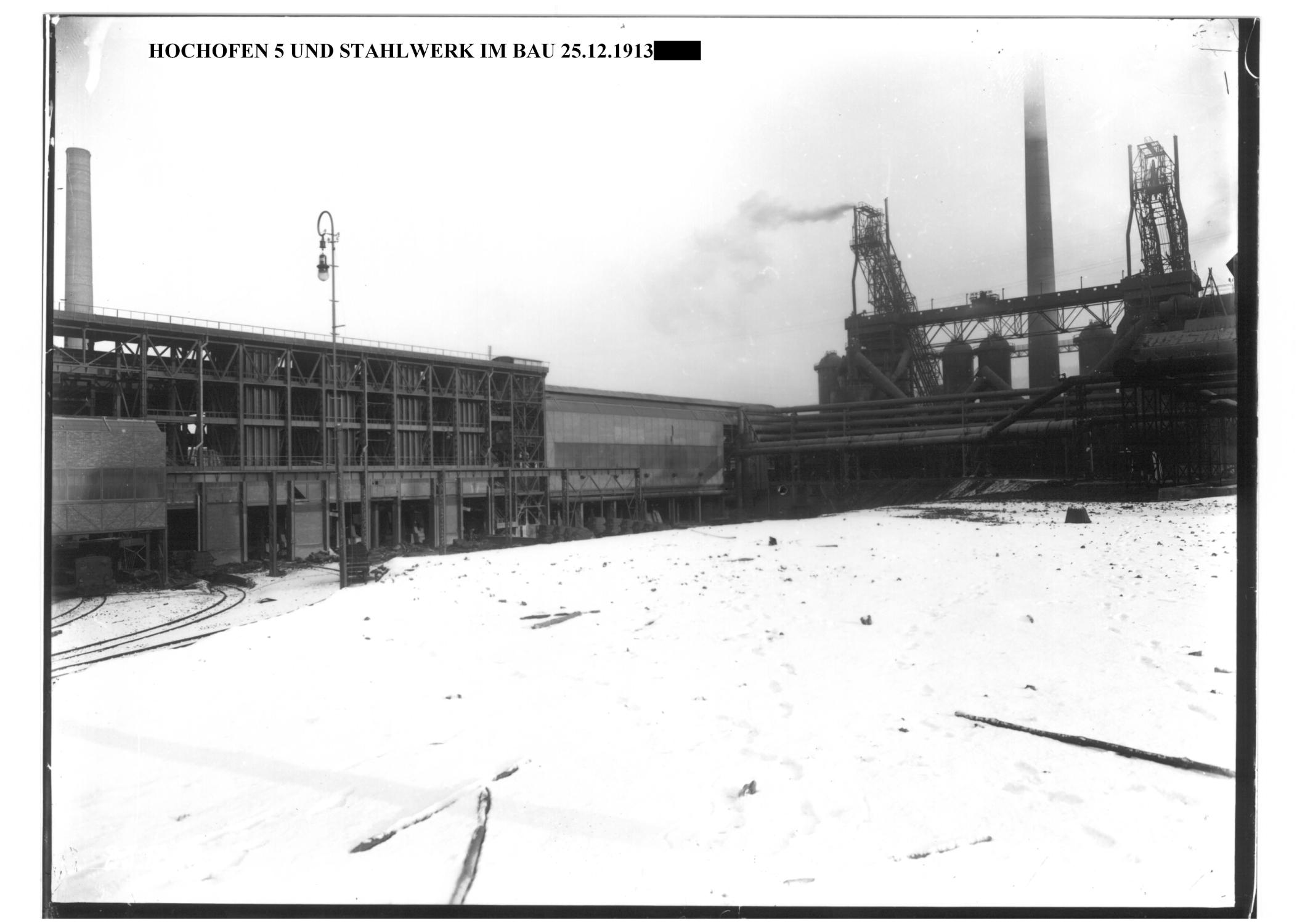
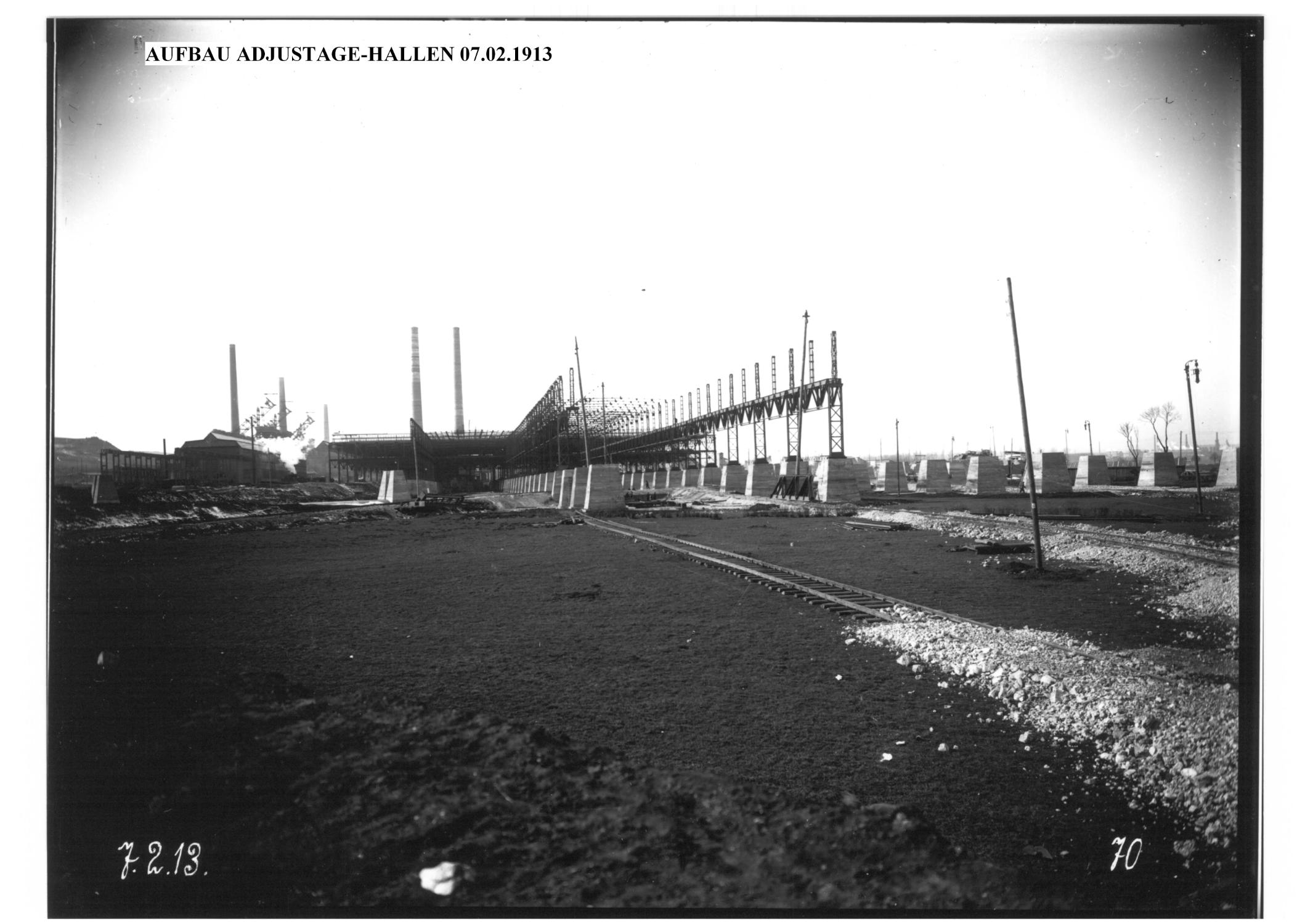
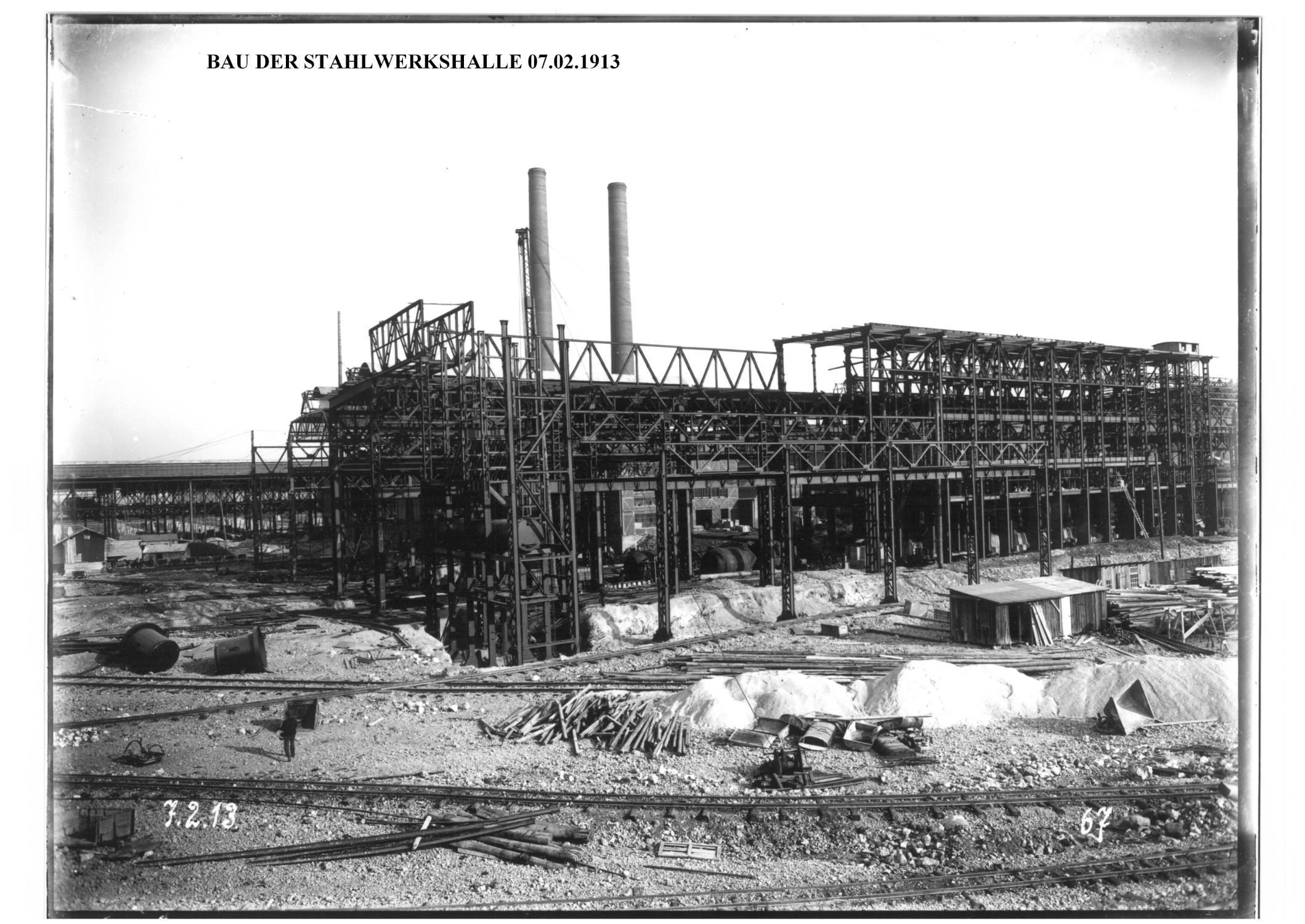
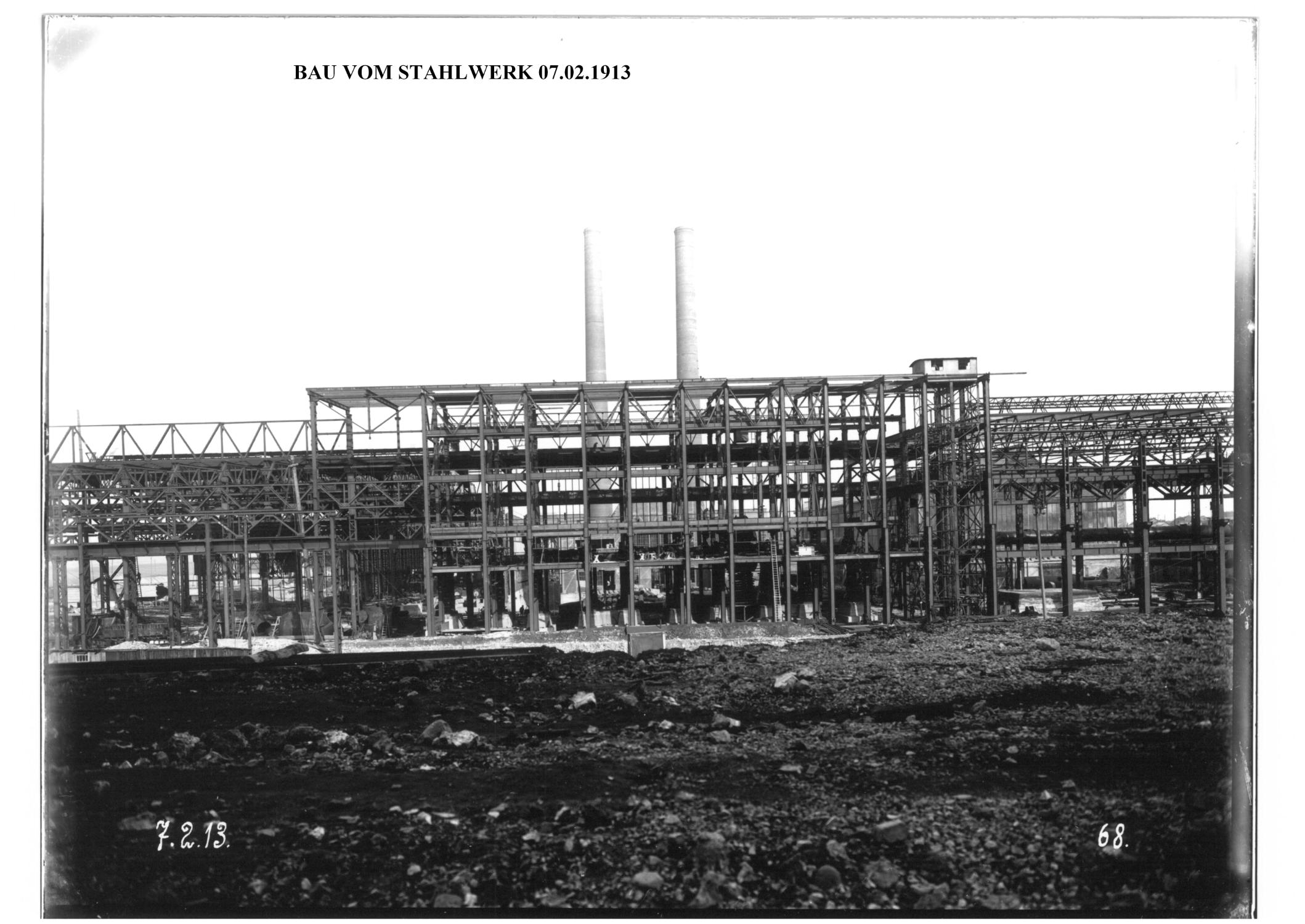
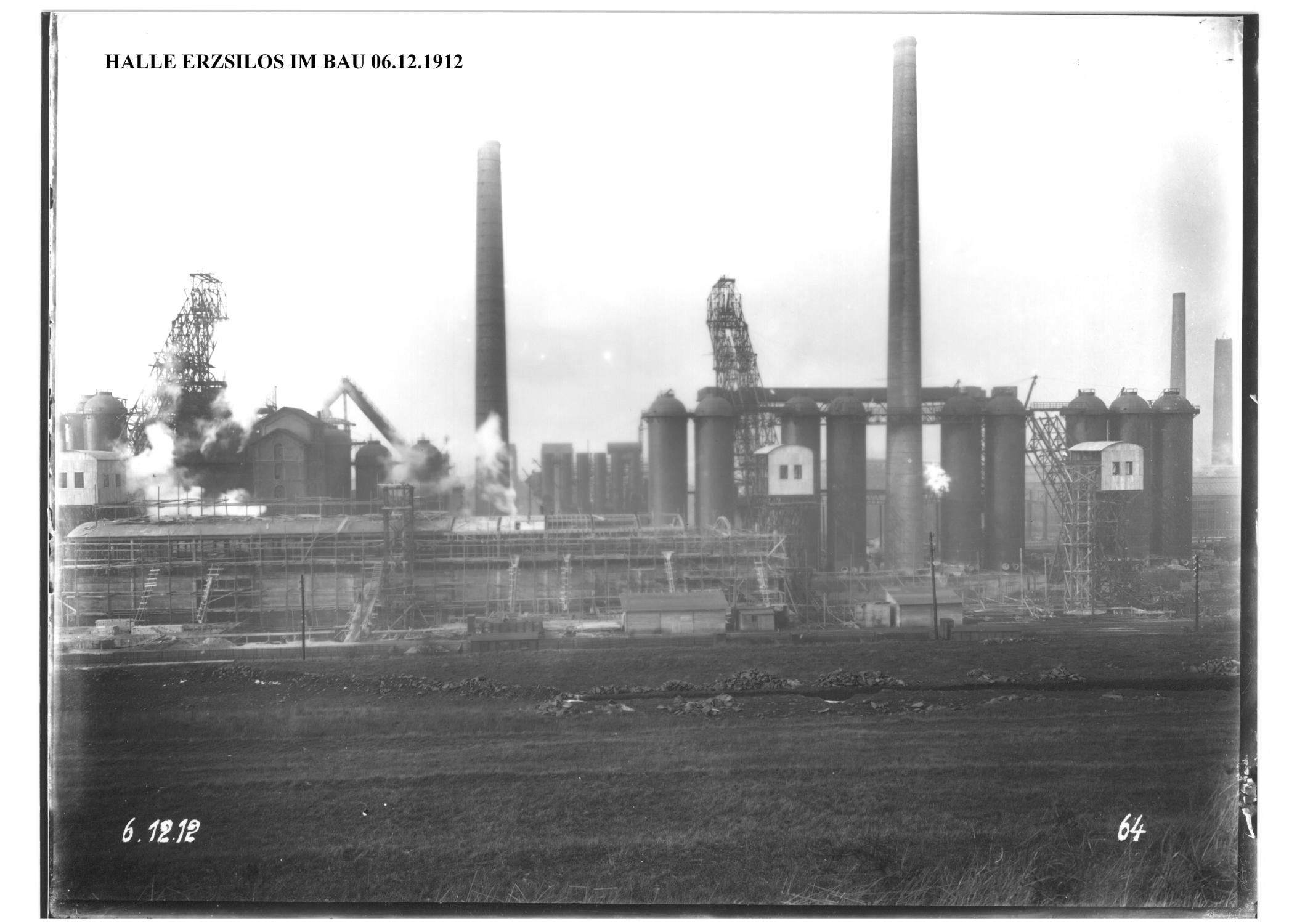
This transformation marked the beginning of a new phase of development. The site was expanded and modernized in the early 20th century, particularly starting in 1912–1913. New facilities made it possible to increase production capacity and adapt the plant to technical advances in the steel industry.
For decades, the plant has contributed to the competitiveness of Luxembourg’s industrial sector in European markets. Its history mirrors that of an industry that has played a central role in the country’s economic development and its integration into the global economy. In 2007, the site became part of ArcelorMittal, as part of the successive transformations of Luxembourg’s steel industry.
The Golden Age of Metzeschmelz
Between the 1910s and the 1960s, Metzeschmelz experienced a period of intense activity. Infrastructure expanded, equipment was upgraded, and rail traffic increased. The industrial halls, workshops, and technical buildings formed a particularly vast complex, bustling day and night with steel production.
Historical images from this period show the scale of the site: locomotives serve the various sections of the factory, railcars transport raw materials and finished products, and crews work in shifts to keep production running continuously.
This period also marked a profound transformation of southern Luxembourg. The steel industry created jobs, attracted new residents, and spurred the development of infrastructure, housing, businesses, and public services. Metzeschmelz became one of the driving forces behind regional growth.
Its influence, therefore, cannot be measured solely in terms of the number of metric tons of steel produced. It is also evident in the lives of families, in the layout of cities, and in the memories of the generations who lived in step with the factory’s rhythm.
When Production Stops
Starting in the second half of the 20th century, the European steel industry entered a period of profound change. Markets were evolving, technologies were transforming, and industrial sites were facing increased international competition.
In Metzeschmelz, the facilities were gradually shut down, dismantled, or repurposed. Steel production gradually ceased in the early 2010s. According to historical sources, the plant is considered to have closed in 2012, while the definitive closure of the production site is dated to 2016. This discrepancy reflects a gradual process of winding down operations rather than a single, instantaneous shutdown.
After more than a century of operation, the site has become an industrial wasteland covering approximately 63 hectares. The railroad tracks, warehouses, bridges, and certain technical structures remain visible, but their original functions have disappeared. The landscape takes on a new rhythm: where trains once ran and crews worked in shifts, silence gradually settles in.
However, this transition period does not mean the end of Metzeschmelz. On the contrary, it opens the door to a new line of thinking: how can we ensure a future for a site that is so vast, so deeply shaped by industry, and so important to our collective memory?
A New Life for a 63-hectare Brownfield Site
Today, the solution takes the form of an urban development project led by AGORA. The former ARBED factory in Esch-Schifflange is set to become a new residential neighborhood connecting Esch-sur-Alzette and Schifflange.
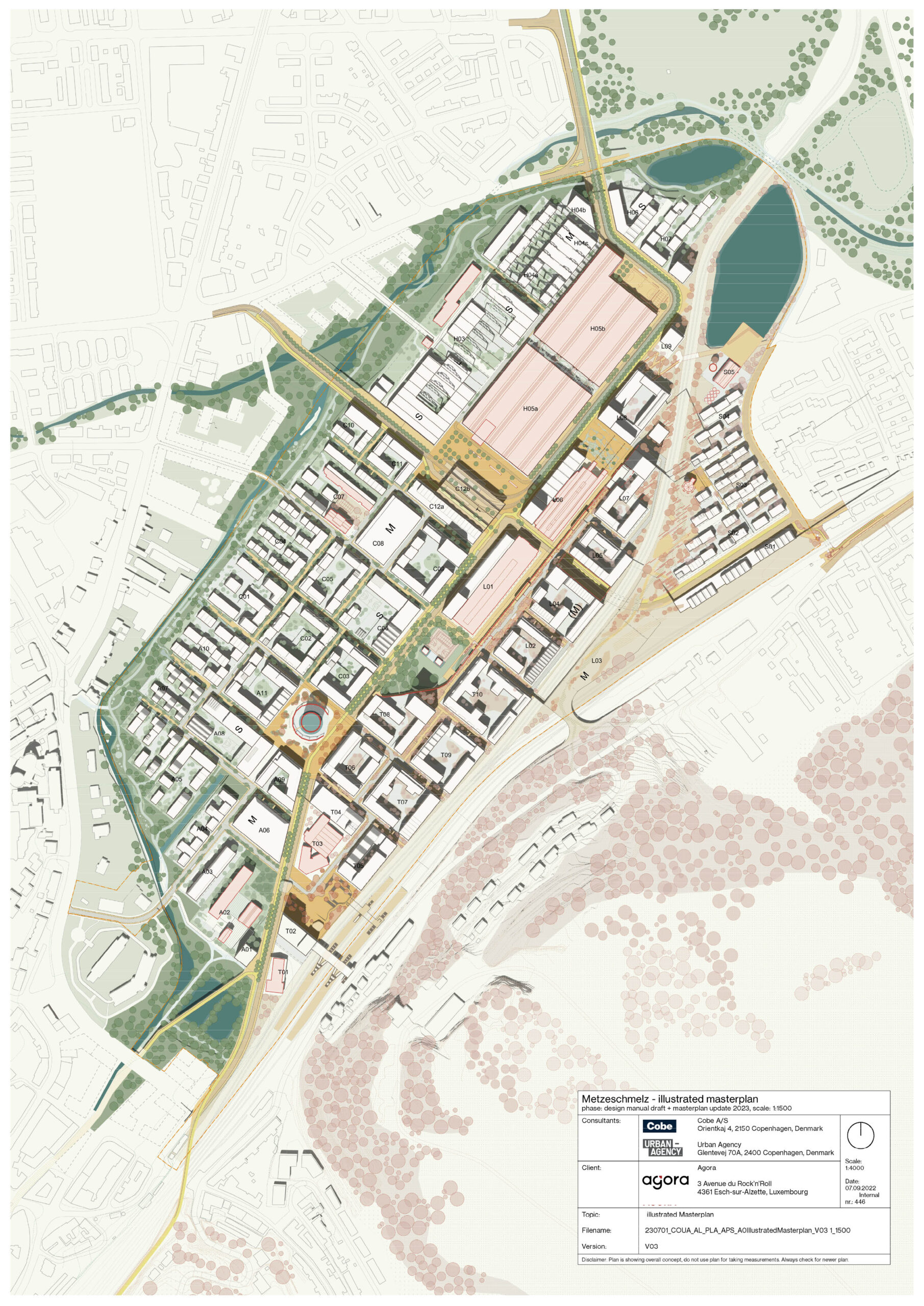
Spanning nearly 63 hectares, Metzeschmelz will gradually be developed to include housing, offices, retail spaces, services, schools, daycare centers, recreational facilities, and public spaces. The project is designed to meet the needs of a growing region while creating a vibrant, mixed-use, and accessible neighborhood.
Ultimately, projections call for approximately 4,360 housing units, a population of up to 8,000 to 10,000 residents, and nearly 7,880 jobs. These figures illustrate the scale of the planned transformation: this is not simply a matter of rehabilitating a former factory, but of creating a new urban hub for southern Luxembourg.
The project is based on the principle of mixed-use development. Housing, workplaces, retail establishments, public facilities, and recreational spaces will be located in close proximity to one another to encourage short trips and reduce dependence on cars. Public and active transportation options, as well as “mobility hubs,” are planned around the site.
Building with Existing Resources
The transformation of Metzeschmelz is also based on a circular approach to urban planning. Rather than viewing the brownfield site as an empty lot to be entirely replaced, the project builds on what already exists: the built heritage, materials, structures, utility networks, and the site’s history.
This approach aligns with the principle of urban mining, which involves viewing existing buildings and infrastructure as a source of materials and resources. Reusing certain structures helps limit the consumption of new materials, reduce waste, and preserve some of the energy already invested in the site’s construction.
AGORA is also developing a circular approach to water and energy management. The project specifically calls for the use of solar energy, water recovery and reuse, and the development of green public spaces and urban forests. The goal is to design a neighborhood in which various resources are managed in an interconnected manner, rather than operating through separate systems.
This ambition is reflected in the Symbiosis concept, designed as a circular resource management system for the future neighborhood. Rainwater, wastewater, energy, and waste can be viewed as components of a single system, with the goal of maximizing their reuse and reducing the neighborhood’s environmental impact.
Preserving a Living Heritage
The redevelopment of Metzeschmelz does not seek to erase the site’s industrial history. On the contrary, certain buildings, architectural complexes, and technical features are to be preserved and integrated into the future neighborhood.
Halls, workshops, bridges, railway facilities, pipelines, and other industrial structures can become urban landmarks, hubs of activity, or features of the public landscape. Their presence will help maintain a visual and emotional connection to the history of the steel industry.
Cultural heritage will not be preserved solely in the form of isolated objects or static buildings. Studies conducted on the site recommend taking into account architectural complexes and the various phases of construction and expansion of the former factory: the original facilities from 1871, the expansions and modernizations carried out between 1913 and 1960, and the additions built over the following decades.
This approach gives heritage an active role. The goal is not to turn Metzeschmelz into an open-air museum, but to weave its traces into the daily life of the future neighborhood. Residents will thus be able to live, work, get around, and socialize in an environment where industrial history remains visible.
From Brownfield to Sustainable Neighborhood
The redevelopment of an industrial brownfield site of this scale is necessarily a long-term process. Studies, planning procedures, cleanup and demolition operations, and construction phases must be carried out gradually.
From the very beginning, the project incorporated a participatory approach. A feasibility study brought together more than a hundred experts from the public and private sectors. In 2019, an international urban design workshop brought together several teams specializing in the transformation of former industrial sites, with the support of the local community. The winning proposal was developed by the firms COBE, Urban Agency, LUXPLAN, and Urban Creators.
Citizen participation is a key component of this process. Design workshops, public meetings, discussions with local governments, and stakeholder consultations will help define the uses and spaces of the future neighborhood.
Since 2021, the site has already hosted a variety of temporary activities, including the FerroForum, the Schmelzaarbechter Museum, art projects, cultural events, and film shoots. These temporary uses help keep the site vibrant during its transformation and introduce its spaces to new audiences.
From Industrial Heritage to the City of Tomorrow
The history of Metzeschmelz is the story of a region in flux. Born out of the industrialization of southern Luxembourg, the site has been a part of the growth of its cities, the rise of the steel industry, and the lives of several generations of workers.
Today, its transformation marks the beginning of a new chapter. The future neighborhood will need to address contemporary challenges: welcoming new residents, creating jobs, promoting sustainable mobility, conserving resources, and strengthening the ties between Esch-sur-Alzette and Schifflange.
But its identity will not disappear with the end of steel production. It will continue to be expressed through the preserved buildings, the repurposed structures, the transformed landscapes, and the stories that are passed down.
From the Metzeschmelz of 1871 to the sustainable neighborhood of tomorrow, Metzeschmelz exemplifies a new approach to urban development: not by erasing the past, but by building on it to shape the future.